
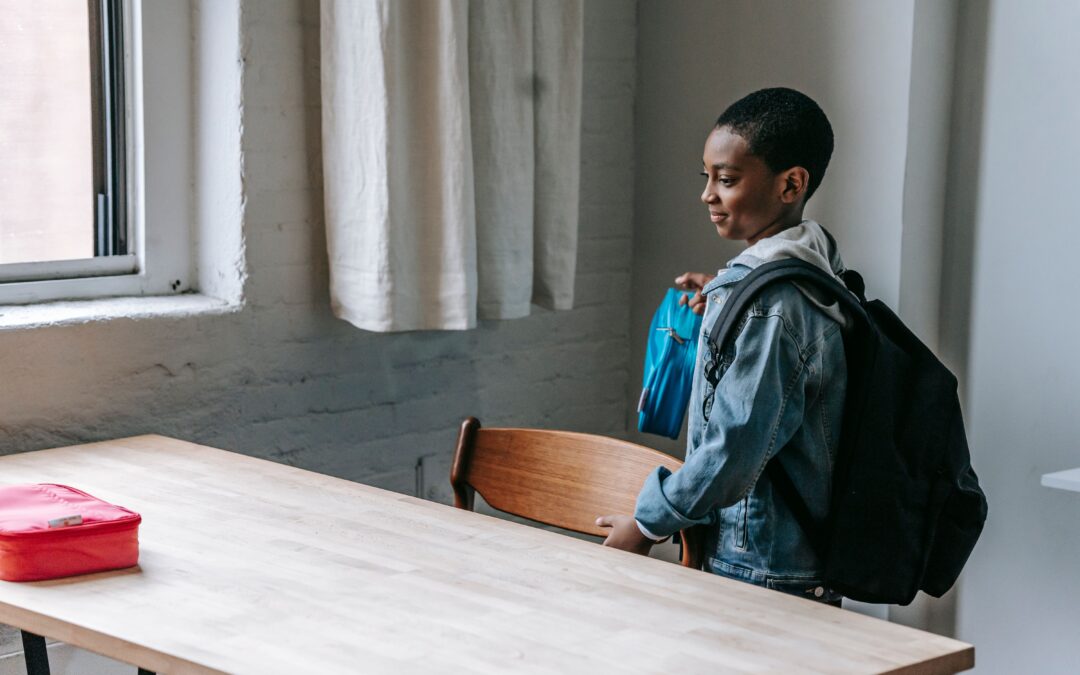
The first few weeks of a new school year can bring a mixture of excitement, uncertainty, and stress. New teachers, different classmates, increased academic expectations, changing routines, and unfamiliar environments can take time for children and teens to adjust to.
Some nervousness during this transition is completely understandable. But what happens when the worry doesn’t begin to settle?
For some children and teenagers, back-to-school anxiety can become significant enough to interfere with school attendance, academic performance, relationships, sleep, or everyday family life. Knowing what to watch for can help parents determine when their child may need additional support.
What Does Back-to-School Anxiety Look Like?
Anxiety does not always look like a child saying, “I feel anxious.”
Children and teens may communicate their distress through their behavior, physical complaints, or changes in their usual routines.
Parents may notice:
- Frequent stomachaches, headaches, or feeling sick before school
- Difficulty falling asleep or staying asleep
- Increased irritability, crying, or emotional outbursts
- Repeated requests to stay home from school
- Excessive worry about grades, teachers, friendships, or making mistakes
- Needing frequent reassurance from parents
- Difficulty separating from a parent or caregiver
- Avoiding school-related activities
- Changes in appetite or usual routines
- Difficulty concentrating because of worry
- Perfectionism or becoming extremely upset over mistakes
One difficult morning does not necessarily indicate an anxiety problem. Instead, parents should look for patterns and consider how much the symptoms are interfering with the child’s everyday functioning.
Adjustment or Something More?
It can take time for children to settle into a new school year, particularly when they are entering a new school, transitioning to middle or high school, or experiencing significant changes in expectations.
In many cases, nervousness gradually improves as routines become familiar.
However, it may be time to pay closer attention when anxiety continues, becomes more intense, or begins interfering with a child’s ability to participate in school or other activities.
For example, a child who regularly experiences significant distress before school, frequently asks to stay home, cannot sleep because of school-related worry, or becomes overwhelmed by everyday academic expectations may need more support than reassurance alone.
How Parents Can Help at Home
Predictability can be particularly helpful for children who are experiencing anxiety.
Establishing consistent morning and evening routines, preparing school materials ahead of time, maintaining reasonable sleep schedules, and allowing time to talk about concerns can reduce some of the uncertainty surrounding the school day.
Parents can also encourage children to talk about what is worrying them without immediately trying to eliminate every uncomfortable feeling.
Instead of simply saying, “There’s nothing to worry about,” try helping your child identify the specific concern and think through ways to manage it.
The goal is not to guarantee that nothing difficult will happen. It is to help children develop confidence that they can handle challenges when they arise.
When Should Parents Consider Professional Support?
If anxiety is persistent, worsening, or significantly interfering with school, home life, friendships, sleep, or other areas of functioning, speaking with a mental health professional may be helpful.
Therapy can provide children and teens with a supportive environment to better understand their emotions, identify patterns of anxious thinking, develop coping strategies, and strengthen skills for managing stressful situations.
Parents may also receive guidance about ways to support their child at home without unintentionally reinforcing avoidance or excessive reassurance-seeking.
Seeking support does not mean that a situation has to be a crisis. Early intervention can sometimes prevent smaller concerns from becoming more disruptive over time.
Supporting a Healthy School Year
The transition back to school is a significant adjustment for many children and families. While some stress is expected, persistent anxiety deserves attention—particularly when it begins affecting a child’s ability to learn, participate, sleep, socialize, or enjoy everyday activities.
Paying attention to changes in your child’s behavior and maintaining open communication can help you recognize when additional support may be beneficial.
Hammond Psychology & Associates provides individual therapy for children, adolescents, and adults in Brandon and the greater Tampa Bay area. If your child or teen is struggling with anxiety, school-related stress, or emotional concerns, contact our office at (813) 654-0503 or visit hammondpsychology.com to learn more about our services.
Educational information provided in this article is not intended to replace individualized psychological or medical advice.