
When many people think of ADHD, they picture a young boy who can’t sit still, frequently interrupts others, or has trouble following classroom rules.
But ADHD doesn’t always look that way.
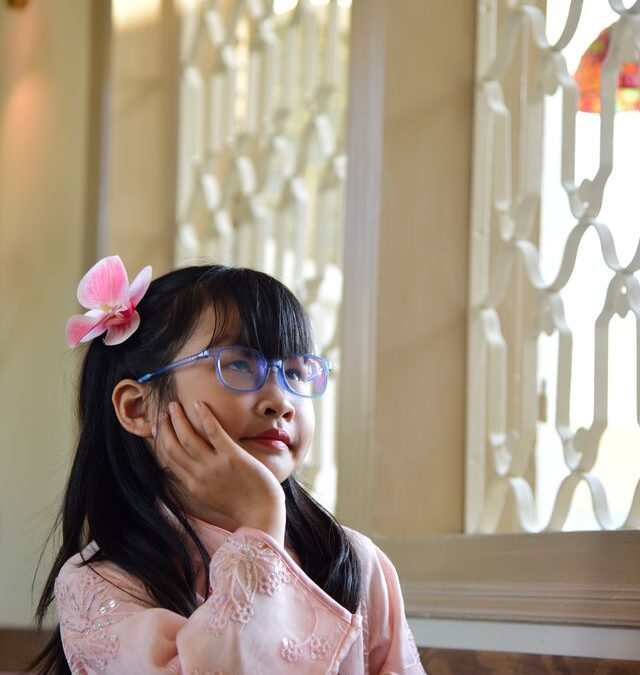
For many girls, the signs are quieter, making them easier to overlook. Instead of being disruptive, they may appear shy, forgetful, overly talkative, anxious, or constantly daydreaming. As a result, many girls aren’t identified until later in childhood—or even adulthood.
Understanding how ADHD can present differently in girls is an important step toward ensuring they receive the support they need to thrive.
ADHD Doesn’t Look the Same in Everyone
Attention-Deficit/Hyperactivity Disorder (ADHD) is a neurodevelopmental condition that affects attention, impulse control, and executive functioning.
While some children display obvious hyperactivity, others experience symptoms that are much less noticeable.
Many girls are more likely to have symptoms of inattentive ADHD, which may include:
- Frequently daydreaming
- Difficulty staying organized
- Losing school materials
- Forgetting instructions
- Trouble completing assignments
- Becoming easily distracted
- Appearing quiet or withdrawn
Because these behaviors are often less disruptive, they may not receive the same attention as more outward signs of ADHD.
Why ADHD in Girls Is Often Missed
Several factors contribute to delayed identification.
Girls Often Learn to Mask Their Symptoms
Many girls work incredibly hard to hide their struggles.
They may spend extra time completing homework, closely observe classmates to stay on track, or develop strategies that make their difficulties less noticeable.
While these coping strategies can help temporarily, they often require significant mental effort and may lead to exhaustion, anxiety, or low self-confidence.
Symptoms May Be Mistaken for Something Else
Girls with ADHD are sometimes described as:
- Sensitive
- Emotional
- Quiet
- Forgetful
- Unmotivated
- Disorganized
In some cases, symptoms may be attributed solely to anxiety, perfectionism, or personality rather than underlying ADHD.
This can delay appropriate evaluation and support.
Common Signs Parents May Notice
Every child is different, but some common signs include:
- Frequently forgetting homework or belongings
- Difficulty following multi-step directions
- Becoming overwhelmed by organization
- Trouble starting or finishing tasks
- Strong emotional reactions to frustration
- Low self-esteem despite strong abilities
- Spending excessive time completing schoolwork
- Difficulty maintaining focus during conversations or class
Having one or two of these signs does not necessarily mean a child has ADHD. However, persistent patterns that interfere with daily functioning may warrant further evaluation.
The Emotional Impact
When ADHD goes unrecognized, many girls begin believing they simply aren’t trying hard enough.
They may compare themselves to classmates who appear more organized or focused, leading to feelings of frustration, shame, or self-doubt.
Over time, these experiences can contribute to anxiety, decreased confidence, and academic stress.
Early identification helps children better understand their strengths while providing appropriate support for areas of difficulty.
When Should You Consider an Evaluation?
If your daughter is consistently struggling with attention, organization, school performance, or everyday responsibilities despite putting forth genuine effort, it may be helpful to speak with a qualified mental health professional.
A comprehensive psychological evaluation can help determine whether ADHD or another concern may be contributing to these challenges while providing personalized recommendations for home and school.
Final Thoughts
Every child deserves the opportunity to understand how they learn best.
Recognizing ADHD early can help girls receive appropriate support, build confidence, and develop strategies that allow them to succeed both academically and emotionally.
Sometimes the greatest gift we can give a child isn’t expecting them to work harder—it’s helping them better understand themselves.
Closing
At Hammond Psychology & Associates, we provide comprehensive psychological evaluations to help children, adolescents, and adults better understand their strengths and challenges.
If you have concerns about your child’s attention, learning, or executive functioning, our team is here to help you find answers and develop a plan that supports long-term success.